

Column
Between Manual and Automatic
When I first started working in accounting as a new employee, the company had just introduced an accounting system. For me, preparing vouchers meant entering transactions into the accounting system, and the vouchers I had to check were in the form output from the system.
One day, I was instructed to look up the previous year's transaction and for the first time I saw the vouchers that had been used in the past. I still remember how surprised I was to see that they were all handwritten, and how laborious it must have been to make them. Even in the days, the general ledger and trial balance sheets had been created automatically, but the systemization of voucher input, the entry point to the accounting process, was a big step from "manual" to "automatic. Thirty years have passed since then, and with the spread of optical reading and AI, even the slip entry process is now automated. There is no doubt that the "automatic" part will continue to increase in the future.
Automation has also extended to the field of tax return preparation. It is now common to hear that even people with little experience in tax return preparation can prepare tax returns by simply entering the necessary information into a template and having the AI read the information. In fact, recent technological advances in tax return preparation software have been so remarkable that, as long as staff does not make a mistake in understanding the contents of the input items, it is possible to create a correct tax return even if the staff does not know the connections among the tax return sheets or, more specifically, tax laws well. Is that really the right kind of "automatic"?
No, in my opinion, it is not. Only those who understand "manual" can master "automatic". Last year, we spent a considerable amount of time training our employees to be able to file consumption tax and corporate tax returns by hand. At first glance, this may seem to run counter to the trend toward automation, but I feel that it is precisely because automation has advanced that this type of training is necessary.
We will continue to focus on employee training while sometimes struggling between "manual" and "automatic" training.
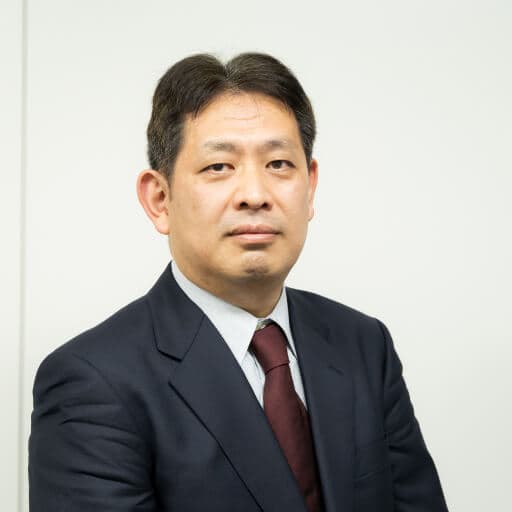
Minoru Habatate
Accounting Solution Division/Manager/Certified Public Accountant Passed the Certified public accountant examination in 2008 while working with previous company. Registered as a certified public accountant in 2011. Joined EPCS in 2011.